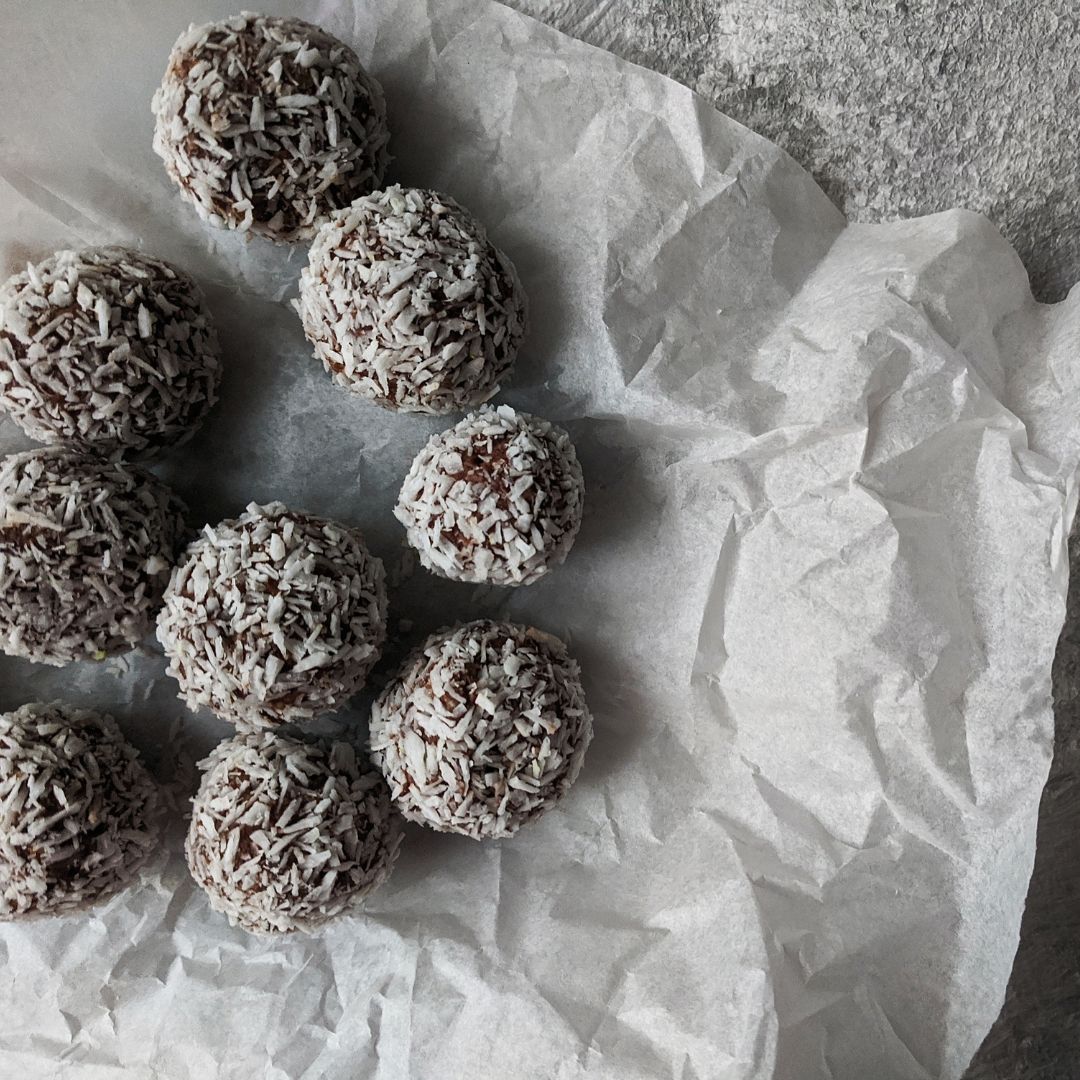
Dark Chocolate, Orange and Cranberry Bites (Gluten Free)
Chocolate orange is one of those flavours that simply tastes of Christmas, so I wanted this month's recipe to be a little festive treat you can make in a few minutes and keep in the fridge for when friends drop by.
These bites are made with dates, ground almonds and cocoa, brightened with fresh orange zest and a few dried cranberries, then half-dipped in dark chocolate. Nuts bring protein, fibre and unsaturated fats, which make them more satisfying than many shop-bought sweets, and the orange and spice keep the flavour fresh rather than overly sweet.
They are still a treat, of course. Dates and dried fruit contain natural sugars, so these are something to enjoy and savour, not something to eat by the handful because they sound virtuous! That fits nicely with this month's theme of enjoying Christmas without all-or-nothing rules.
They are naturally gluten free and make a lovely homemade gift in a small jar or box. If you need to avoid gluten strictly, for example because you have coeliac disease, check the labels on your chocolate, cocoa and dried cranberries for any "may contain" warnings.
If you enjoyed my Magnesium-Rich Dark Chocolate and Walnut Bites, I think you will love this festive version.
Dark Chocolate, Orange and Cranberry Bites
Makes: 16 bites
Ingredients
Method
Make It Your Own
Store the bites in an airtight container in the fridge for up to a week or freeze them for up to three months. Let them sit at room temperature for 10 minutes before eating if they have been frozen.
For a nut-free version, swap the ground almonds and pecans for sunflower seeds and certified gluten-free oats, blended until fine. Most people with coeliac disease can eat gluten-free oats, but a small number react to them, so leave them out if you are unsure.
If you would prefer a dairy-free treat, many dark chocolates are made without milk, but do check the label. You can also swap the cranberries for chopped dried cherries or apricots, or roll the bites in desiccated coconut instead of dipping them in chocolate.
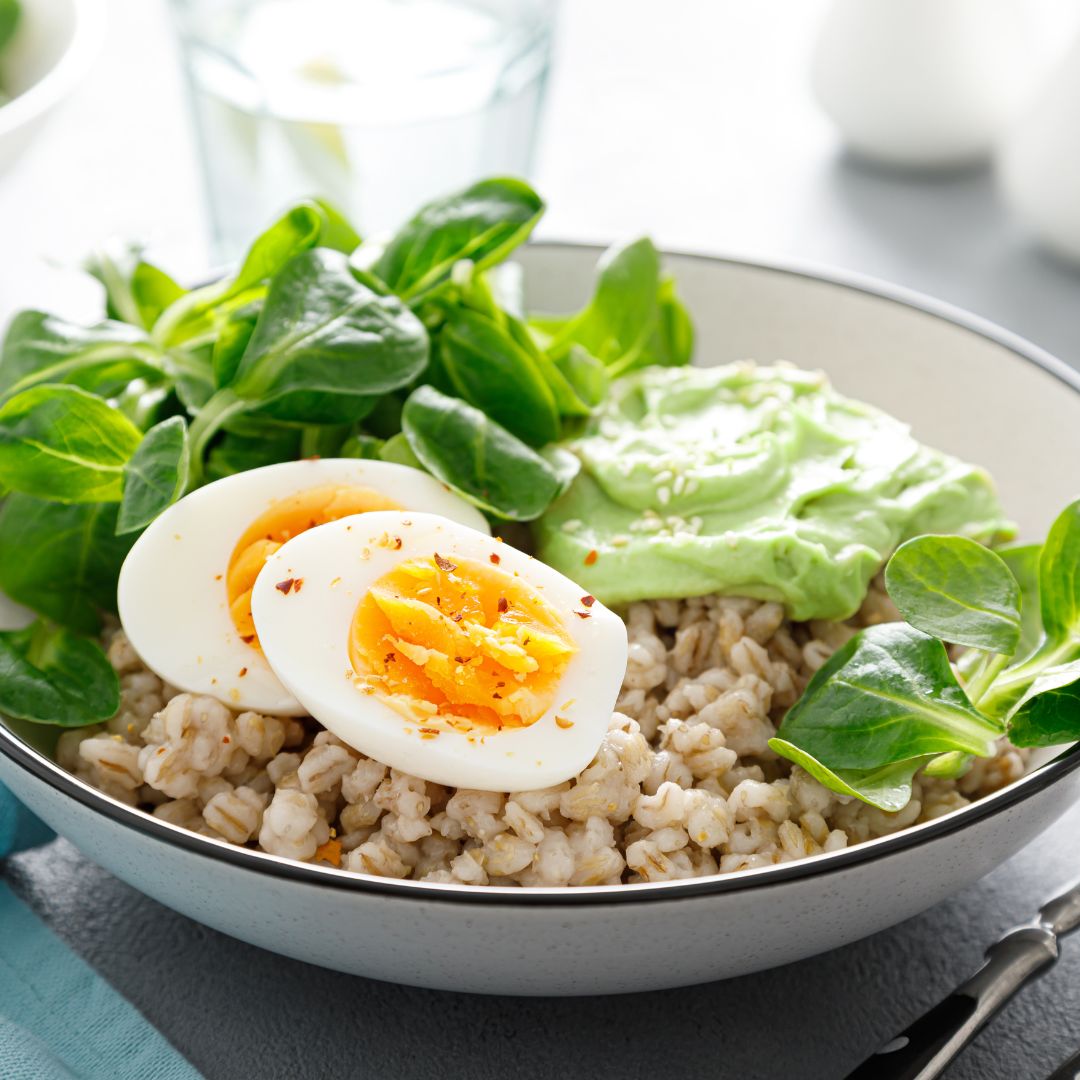
Autumn Leek, Sprout & Barley Risotto with Soft-Boiled Eggs
This is a warming one-pan supper for a dark November evening: nutty pearl barley cooked slowly with leeks, onion and garlic, finished with shredded Brussels sprouts and cabbage, and topped with soft-boiled eggs and toasted hazelnuts. It rounds off this month's liver health series by bringing together several of the habits from my Top Tips: lots of plants, fibre from barley, beans and vegetables, and olive oil as the main added fat.
Leeks, sprouts, cabbage, kale and onions are all in season in the UK in November, so this is a good time to make the most of them. Each portion provides a whopping 15g of fibre, which is about half the 30g a day the NHS recommends.
Leeks, onions and garlic belong to the allium family, while sprouts, cabbage and mustard are all brassicas. Both families are known for their sulphur-containing plant compounds, which give them their distinctive flavour (and their cooking smells!). Researchers are interested in how these compounds interact with the body's own enzyme systems, including those in the liver.
Finally, the eggs. Eggs are a good source of choline, a nutrient that contributes to the maintenance of normal liver function and to normal lipid metabolism. One egg provides around 147mg.
Serves: 4
Ingredients
Method
Make It Your Own
Pearl barley contains gluten, so for a gluten-free version, swap for short-grain brown rice or buckwheat and follow the cooking time on the packet. For a veggie version, use vegetable stock and a vegetarian hard cheese.
Any leftover risotto will keep in the fridge for up to 2 days without the eggs. Reheat it until piping hot with a splash of water and top with freshly cooked eggs.
And if you're interested in more easy, nutritious recipes, why not head to the Recipe Index?
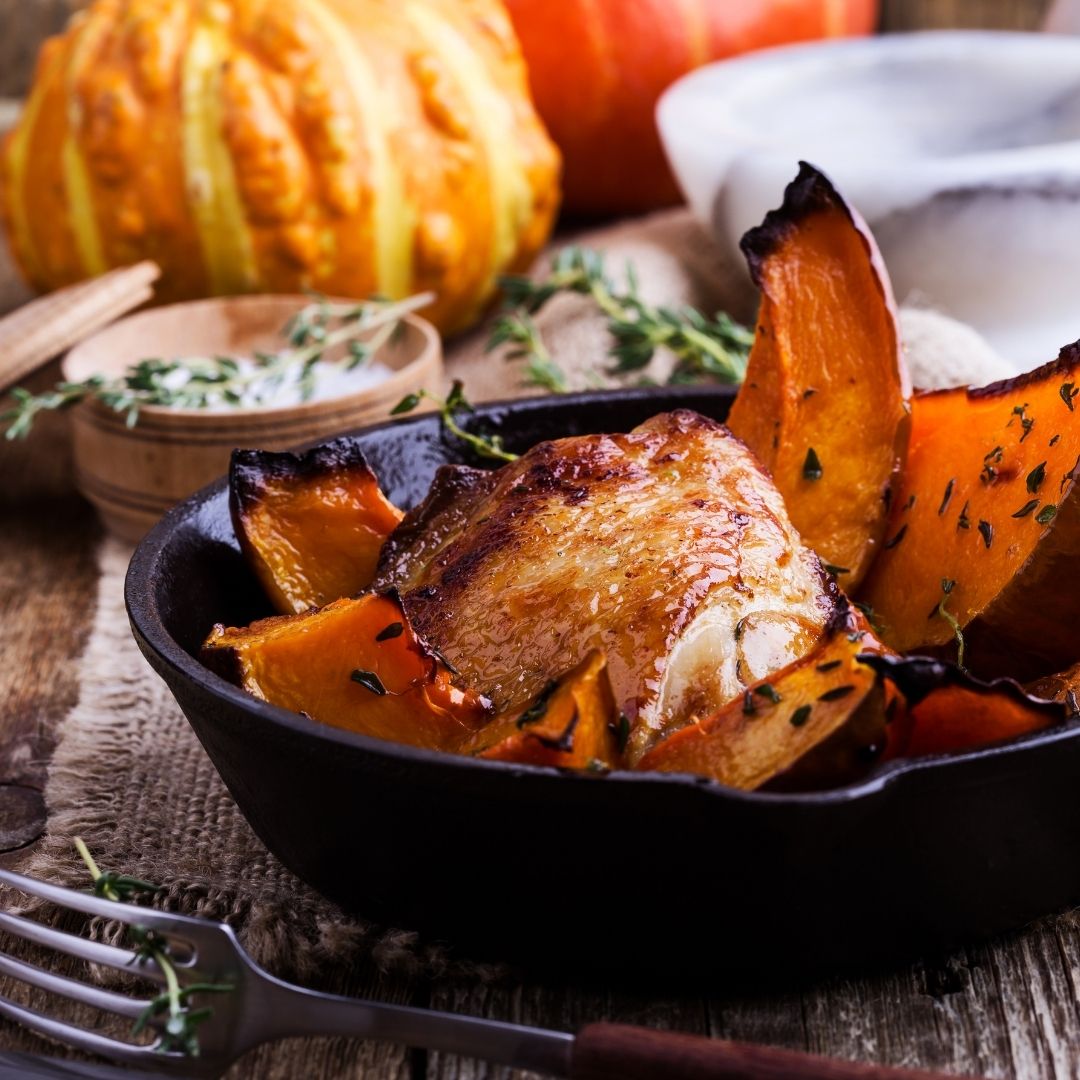
Autumn Chicken, Squash & Chickpea Traybake
This is a simple autumn traybake featuring chicken, butternut squash, chickpeas and seasonal greens – perfect for an easy midweek dinner with plenty of protein, fibre and colourful plants. And bonus - there is not much washing up afterwards!
It also fits nicely with this month’s sleep theme. Chicken, chickpeas, pumpkin seeds and yoghurt are good sources of tryptophan, an essential amino acid used in the pathway that produces serotonin and subsequently melatonin, which is involved in regulating our sleep-wake cycle.
Chicken and chickpeas also provide vitamin B6, which is needed for the conversion of 5-HTP to serotonin.
This meal also gives you a satisfying combination of protein, fibre-rich carbohydrate, healthy fats and a variety of plant foods, making it a great everyday autumn dinner. Plus, it’s delicious! And perfect for those darker evenings.
Serves 4
Ingredients
To serve:
Method
Make it even more October
For pudding, try warm cinnamon pears with Greek yoghurt and pumpkin seeds.
Simply slice ripe British pears and poach gently with a splash of water and a pinch of cinnamon until soft. Serve warm with thick Greek yoghurt and a scattering of pumpkin seeds.
And if you're interested in more easy, nutritious recipes, why not head to the Recipe Index to see what else you can cook?
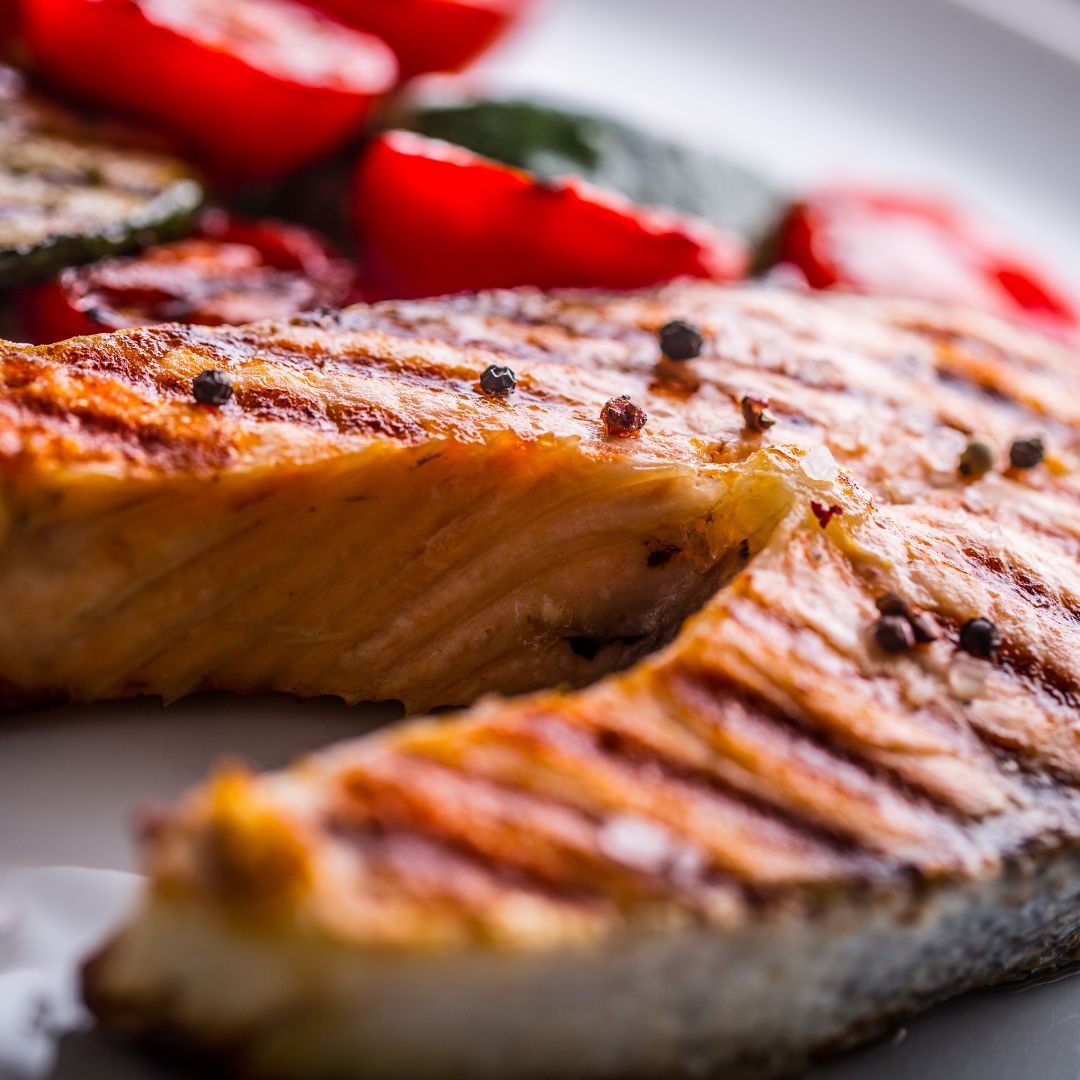
September Herby Salmon with Roasted Tomato, Aubergine & Lentils
This is a simple Mediterranean-style traybake using late-summer British produce. It combines oily fish, extra virgin olive oil, lentils and several colourful plants, giving you protein, fibre, unsaturated fats and a range of polyphenols in one meal.
And this is great for brain health! The salmon provides high-quality protein and the long-chain omega-3 fat DHA, an important structural component of brain-cell membranes. The lentils add further protein alongside soluble and insoluble fibre, helping create a meal that should have a gentler effect on blood glucose than one based predominantly on refined carbohydrate.
Aubergines, tomatoes, peppers, red onion, garlic and herbs provide a range of different polyphenols and carotenoids. Rather than chasing one particular antioxidant, eating a wide variety of colourful plants exposes us to many different bioactive compounds. Extra virgin olive oil provides predominantly monounsaturated fat alongside its own polyphenols.
Importantly, this combination of vegetables, legumes, fish and extra virgin olive oil closely resembles the features shared by Mediterranean and other dietary patterns associated with better cardiovascular and cognitive health.
And there is another benefit: you get around eight different plants in one dinner before you have even thought about the rest of your day!
Serves 4
Ingredients
To serve:
Method
Make it even more September
For pudding, serve warm British blackberries and apple with Greek yoghurt and walnuts.
Simply cook chopped apple and blackberries gently with a splash of water and cinnamon until softened, then spoon over thick Greek yoghurt and scatter with chopped walnuts.
And if you're interested in further recipes, why not head to the Recipe Index to see what else you can cook?
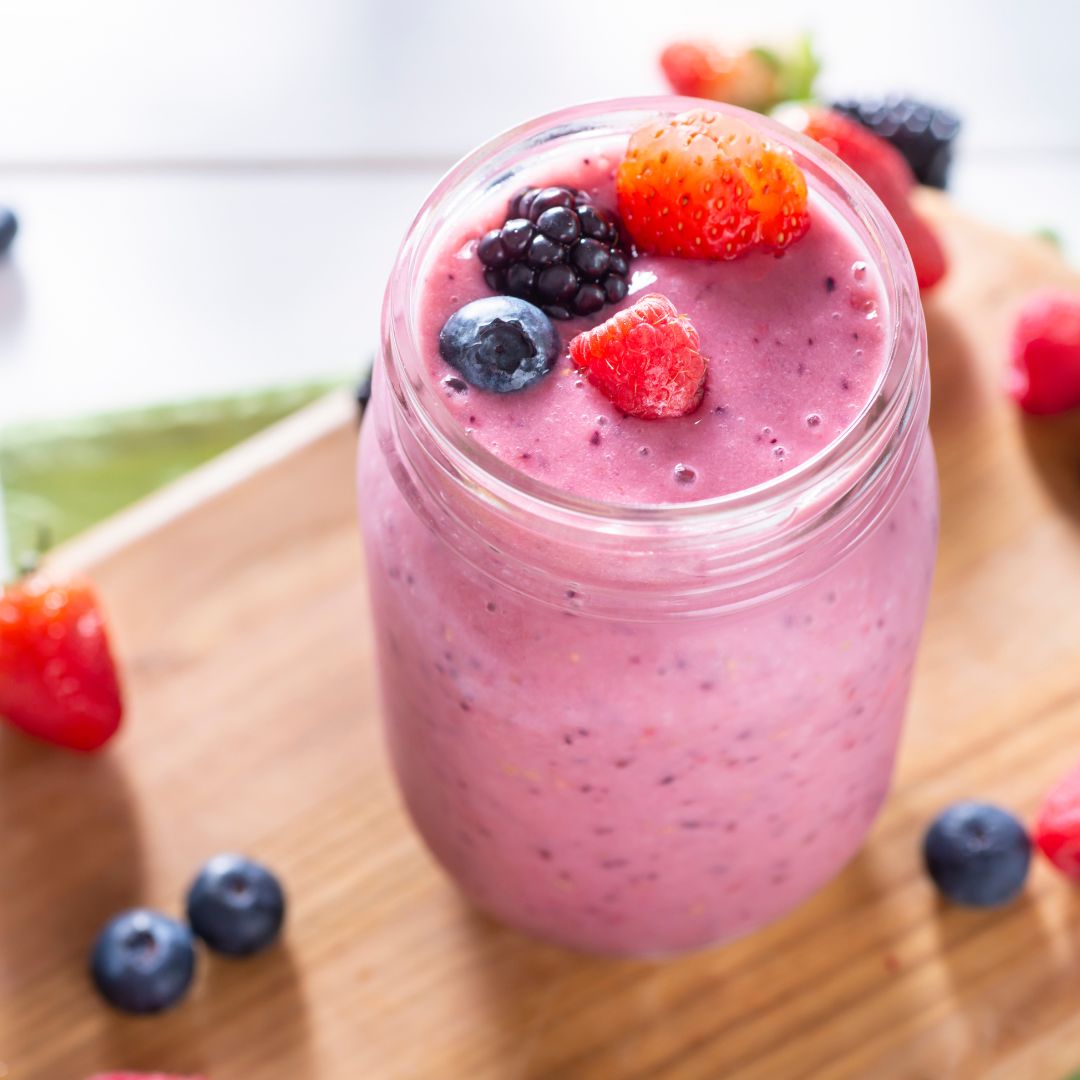
Summer Berry and Nut Smoothie
Fresh berries are one of the best things about summer. They are naturally colourful, require very little preparation and provide vitamin C, fibre and a wide range of plant compounds.
However, a smoothie made from fruit and juice alone may not keep you satisfied for very long. This version combines berries with protein, fibre and healthy fats to create a more complete breakfast or post-exercise option.
It is thick, creamy and not overly sweet, with no fruit juice, syrups or flavoured yoghurt required.
Why Berries Support Skin Health
Berries contain polyphenols, including the anthocyanins responsible for many of their deep red, blue and purple colours.
Anthocyanins and other polyphenols are being studied for their interactions with antioxidant defence, inflammatory signalling, vascular function and the gut microbiome. Human research has linked berry consumption with favourable effects on several cardiometabolic markers, although outcomes depend on the type and quantity of berries, the study population and the wider diet.
And their real advantage is that they make it easy to add several useful nutrients and plant compounds to an everyday meal.
Strawberries and blackcurrants are particularly rich in vitamin C. Vitamin C contributes to normal collagen formation for the normal function of skin and contributes to the protection of cells from oxidative stress. Collagen is one of the main structural proteins in the skin. The body needs vitamin C alongside amino acids from dietary protein to form and stabilise collagen fibres.
Using a mixture of berries also increases dietary variety. Frozen berries are just as practical as fresh berries and allow you to make this recipe throughout the year.
Serves one
Ingredients
To serve, optional:
Method
Frozen berries will create a colder and thicker smoothie.
Protein and Fibre Additions
The yoghurt provides most of the protein in this recipe. Greek yoghurt will usually contain more protein than standard natural yoghurt, although the amount varies considerably between brands.
Unsweetened soya yoghurt is generally the most protein-rich plant-based alternative. Coconut yoghurt usually contains very little protein unless it has been specifically fortified or blended with another protein source.
For a higher-protein smoothie, particularly after resistance training or when appetite is low, you could add:
Choose a protein powder without added sugar, additives or preservatives. A simple whey or pea protein can work, depending on personal preference and tolerance.
The chia seeds, ground flaxseed, berries and nuts contribute fibre. Soluble and viscous fibres can slow the movement of food through the digestive system and may help moderate the glucose response to a carbohydrate-containing meal.
Easy Variations
You can explore the connection between digestion, the microbiome, acne, eczema and rosacea in Could Your Gut Be Influencing Your Skin?
Find more balanced breakfast and snack ideas in my recipe index.
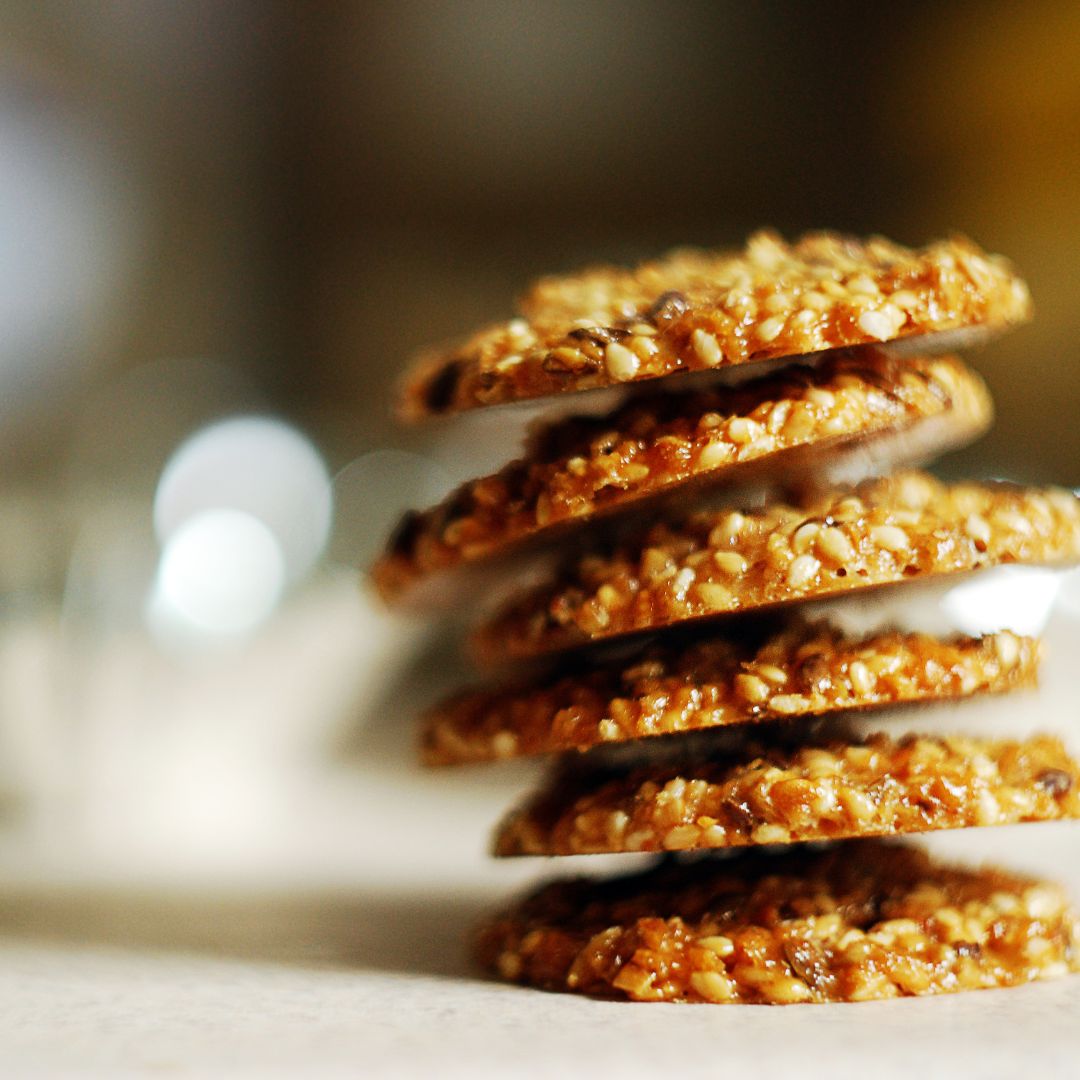
Portable Protein Snack – Savoury Oatcakes with Seeds
Travel snacks can be tricky. Many of the easiest options are either very sweet, very beige, very low in protein, or full of ingredients that you can’t pronounce. You might start the journey with good intentions, then find yourself relying on crisps, pastries, cereal bars, sweets or another round of coffee because there is very little else available.
There is nothing wrong with enjoying convenience foods sometimes. But if you are travelling, working long days, driving, flying or heading out for a summer day trip, having one or two reliable snacks with you can make a real difference to your energy, appetite and digestion.
These savoury oatcakes are designed to be portable, practical and satisfying. They combine oats, seeds, chickpea or buckwheat flour, herbs and olive oil to create a fibre-rich snack that pairs well with protein toppings such as cottage cheese, hummus, boiled eggs, smoked salmon, chicken, tuna or nut butter.
They are not a replacement for meals, but they are a useful “back-up” option when you need something more substantial than a sweet snack bar.
Why Protein and Fibre Matter While Travelling
When you are away from home, it is very easy for meals and snacks to become low in protein and fibre.
That might look like toast and jam for breakfast, a pastry at the station, crisps in the car, a muffin at the airport, or a sandwich with very little filling. These foods may be convenient, but they do not always keep you full for long, and they may contribute to energy dips, cravings or digestive sluggishness later in the day.
Protein helps meals and snacks feel more satisfying. It also supports muscle maintenance and many normal body functions. Fibre supports digestive regularity, stool consistency and the gut microbiome.
Oats are a particularly useful travel food because they are portable, versatile and contain beta-glucan, a type of soluble fibre. Seeds add extra fibre, minerals and healthy fats, while chickpea flour adds more protein and structure. If you are very sensitive to legumes, you can use buckwheat flour instead, which tends to be better tolerated by some people.
As always, tolerance matters. A food can be nutritious and still not suit every gut. If you are prone to bloating, start with a small portion and pair the oatcakes with foods you already know you tolerate.
This recipe makes approximately 14–16 oatcakes, depending on size and thickness.
Ingredients
150g gluten-free rolled oats
60g chickpea flour or buckwheat flour
40g pumpkin seeds, roughly chopped
30g hemp seeds
20g ground flaxseed or chia seeds
20g nutritional yeast, optional but adds savoury flavour
1 teaspoon GF baking powder
½ teaspoon sea salt
1 teaspoon dried rosemary, thyme or mixed herbs
½ teaspoon garlic granules, optional
½ teaspoon smoked paprika, optional
2 tablespoons extra virgin olive oil
120–150ml warm water
Optional: 1 tablespoon sesame seeds for the top
Method
Storage and Batch Cooking Tips
These oatcakes are ideal for batch cooking because they store well and are easy to pack.
Once completely cool, keep them in an airtight container for up to 5 days. If you want them to stay crisp, make sure they are fully cooled before storing. You can also freeze them for up to 3 months. Freeze in small portions, then defrost as needed.
For travel, pack them in a small container rather than a bag so they do not crumble in your handbag, rucksack or hand luggage.
You can also vary the flavour depending on what you enjoy. Rosemary and sea salt works well with cheese or hummus. Smoked paprika pairs nicely with avocado or chicken. Thyme and sesame seeds are lovely with cottage cheese or smoked salmon. If you prefer a plainer oatcake, leave out the stronger spices and keep the flavour simple.
Travel-Friendly Serving Ideas
The oatcakes are useful on their own, but they work best when paired with protein or healthy fats.
Try them with cottage cheese and cucumber, hummus and grated carrot, boiled eggs, smoked salmon and avocado, tuna with olive oil and lemon, chicken slices, nut butter, or a small pot of Greek yoghurt on the side.
For a road trip, pack oatcakes with a small pot of hummus, cheese, fruit and a bottle of water. For a flight, pair them with a protein option bought at the airport, such as boiled eggs, yoghurt, chicken salad or smoked salmon. For a hotel room snack, keep them with nut butter sachets, fruit or a small portion of nuts.
They can also be used as part of a light lunch. Add them to a plate with soup, salad, leftover frittata, roasted vegetables, tinned fish, avocado or a protein-rich dip.

Please get in touch and find out more - I offer a free 30-minute exploratory call.


.png)









Copyright 2026 all rights reserved
Privacy Policy | Cookie Policy
Website by Phuse Media - Web Design Leigh on Sea
Photography by Petra Blacklock Photography

Please feel free to be in touch with our sister clinic which specialises in PCOS
Alex Allan Nutrition is part of the Green Leaf Company (London) Ltd, a limited company registered in England and Wales. Registered number: 10990293
Disclaimer: ‘Please note that nutritional therapy is not medical advice - this should always be sought from your doctor or other medical provider. I aim to work alongside your doctor or GP to provide nutritional and lifestyle advice to support any underlying imbalances.'
